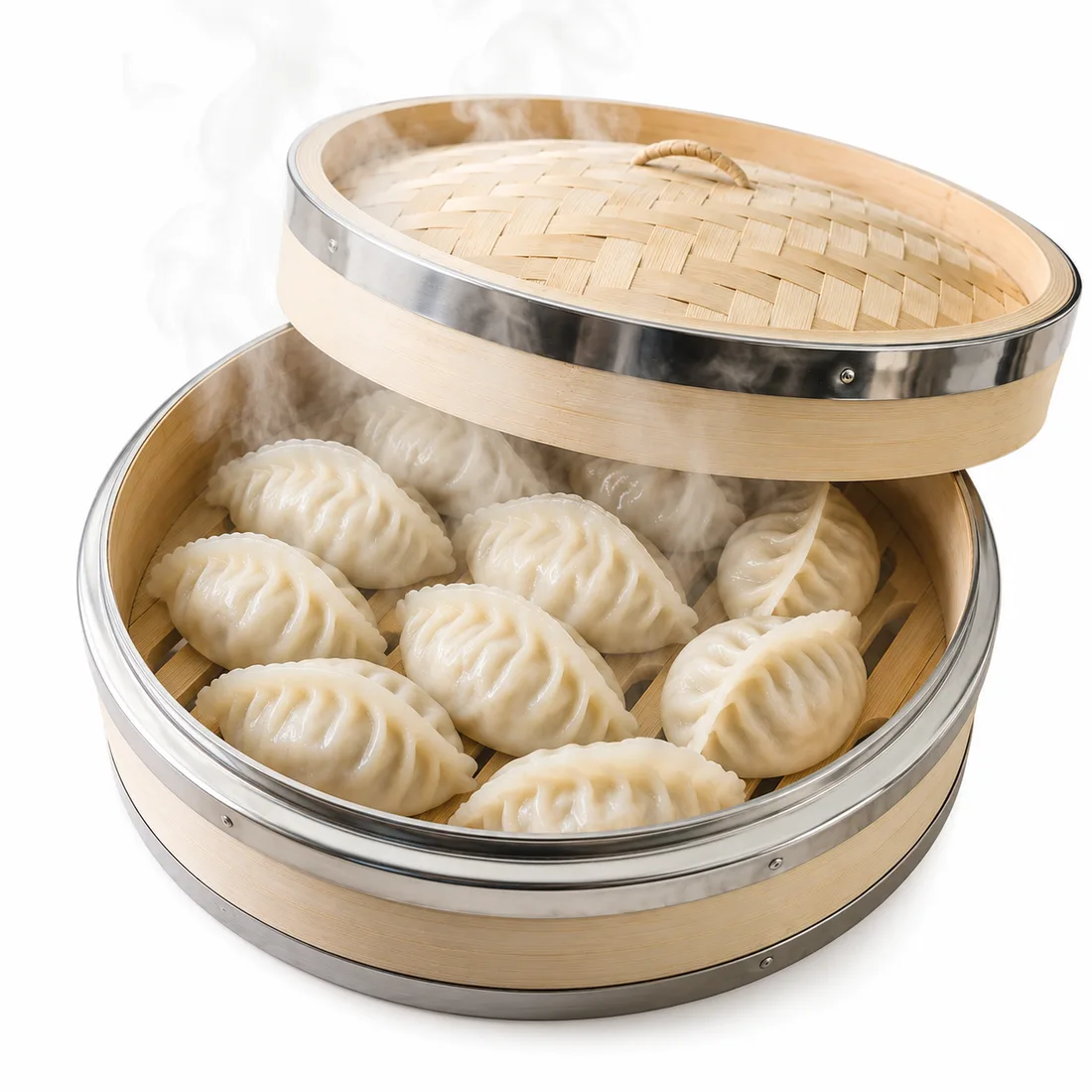
Steamed Chicken Momo
$11.99Ten hand-pleated dumplings of ground chicken thigh with ginger, garlic and scallion, steamed until the wrappers turn silky. Served with our tomato-sesame achar.

✦ 61 dishes · 12 sections ✦
Everything below is cooked to order at 6400 Derry St. Hand-pleated momos, Newari plates, sekuwa skewered over open flame, Himalayan thukpa and dal bhat trays, alongside a short Indian menu — biryani in three proteins and paneer makhani — with lassi and chiya to finish. Add what you want to your order and check out for pickup, or have it delivered anywhere inside our local delivery area.
Momo is the national comfort food of Nepal: a thin wheat wrapper pleated by hand around a seasoned filling, then steamed or fried. The pleating is not decoration — each fold traps a pocket of steam, and the filling releases its own juice as it cooks, so a properly closed momo arrives with a spoonful of hot broth still inside. Bite the first one carefully. Every momo here is pleated in house, on the day.
Ten hand-pleated dumplings of ground chicken thigh with ginger, garlic and scallion, steamed until the wrappers turn silky. Served with our tomato-sesame achar.
Pork filling seasoned with onion, ginger, garlic and the house spice blend, pleated by hand and steamed soft. The one Nepal orders most.
Finely chopped cabbage, carrot, onion, scallion and fresh ginger, lightly sauteed before pleating. Light, fresh, and the surprise of the menu.
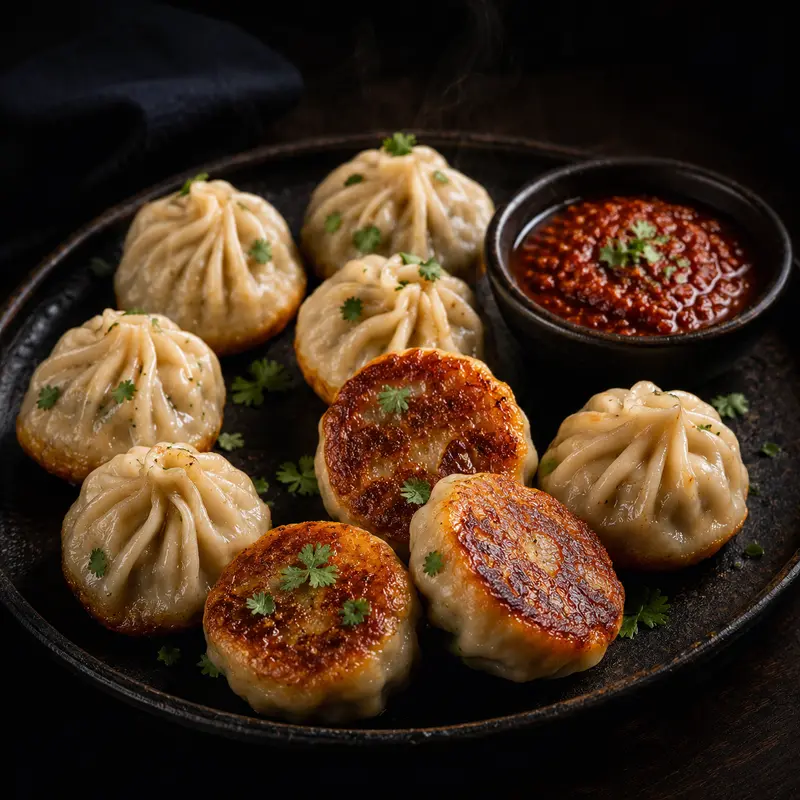
Half-steamed then pan-seared, so the bottoms go deep gold and crackly while the tops stay soft. Chicken filling.
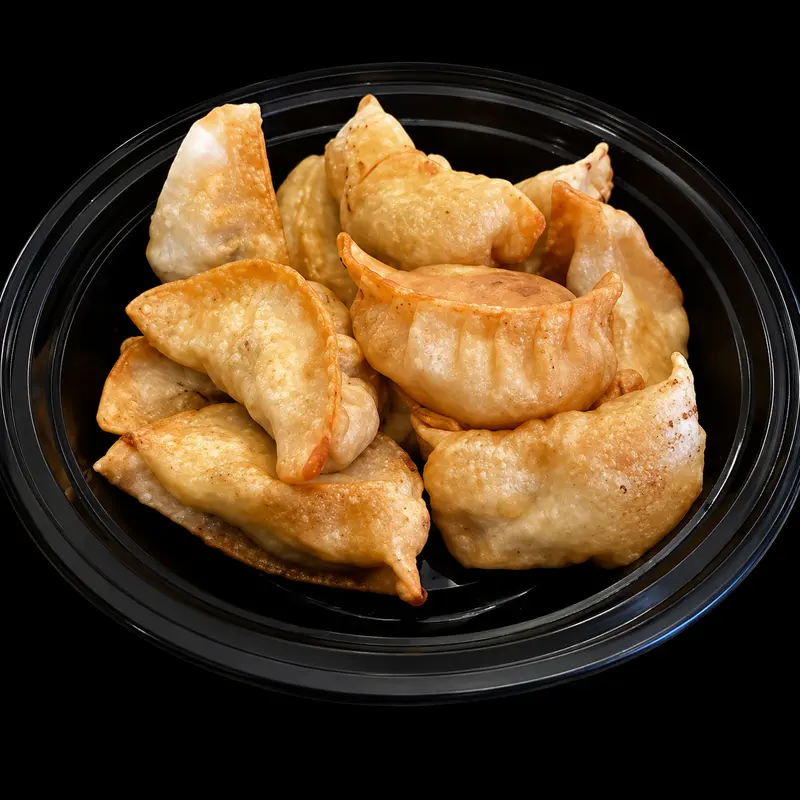
Whole-fried until every side of the wrapper crackles, the ginger-and-garlic chicken filling sealed inside. Extra chili sauce on the side.
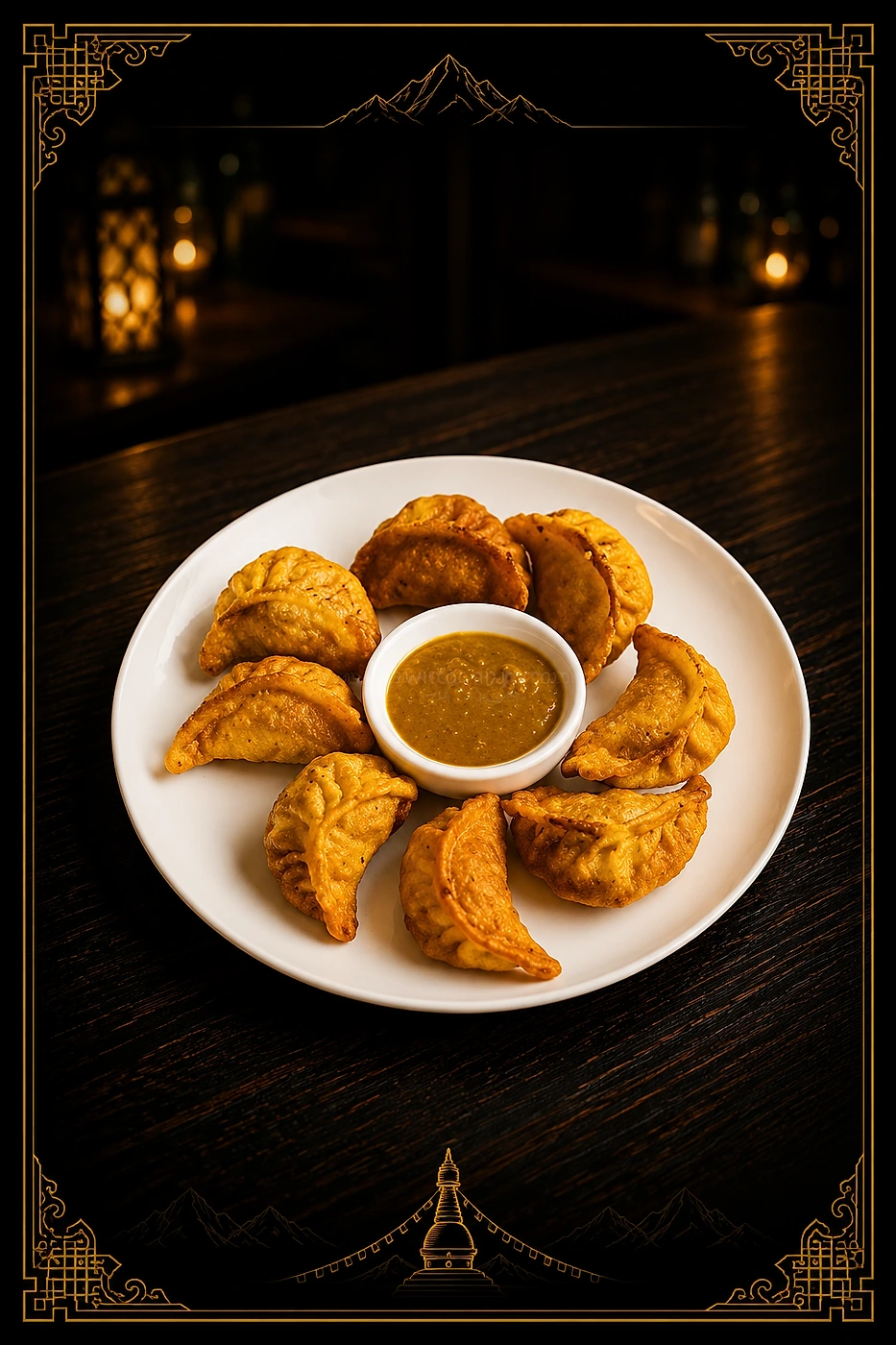
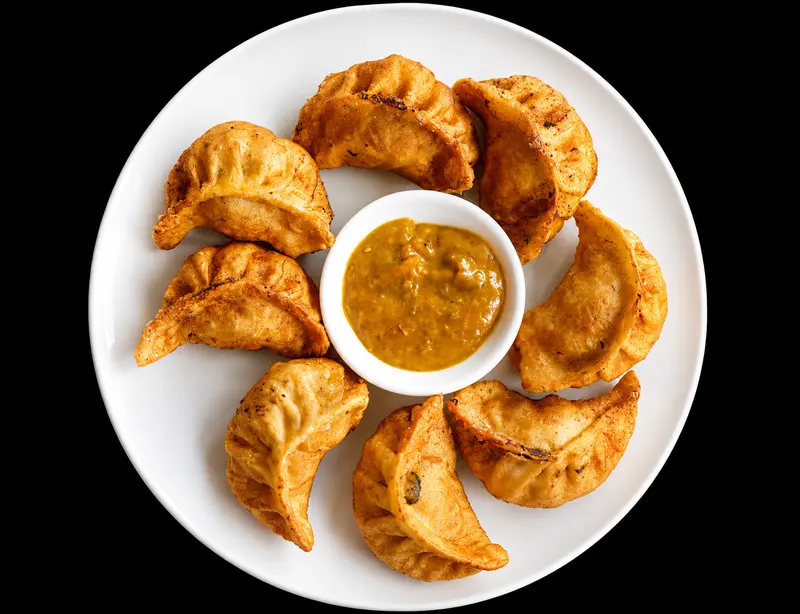
Golden deep-fried vegetable momos, crispy outside and tender inside, with tomato-sesame achar.
What Nepal actually does to a momo once it comes out of the steamer. Jhol means broth — the dumplings arrive sitting in a warm, nutty sesame-tomato gravy you drink once they are gone, and it is the single most-ordered thing on any Kathmandu momo menu. Chili momo goes the other way: fried first, then wok-tossed Indo-Chinese style with onion, capsicum and a glossy chili-soy glaze.
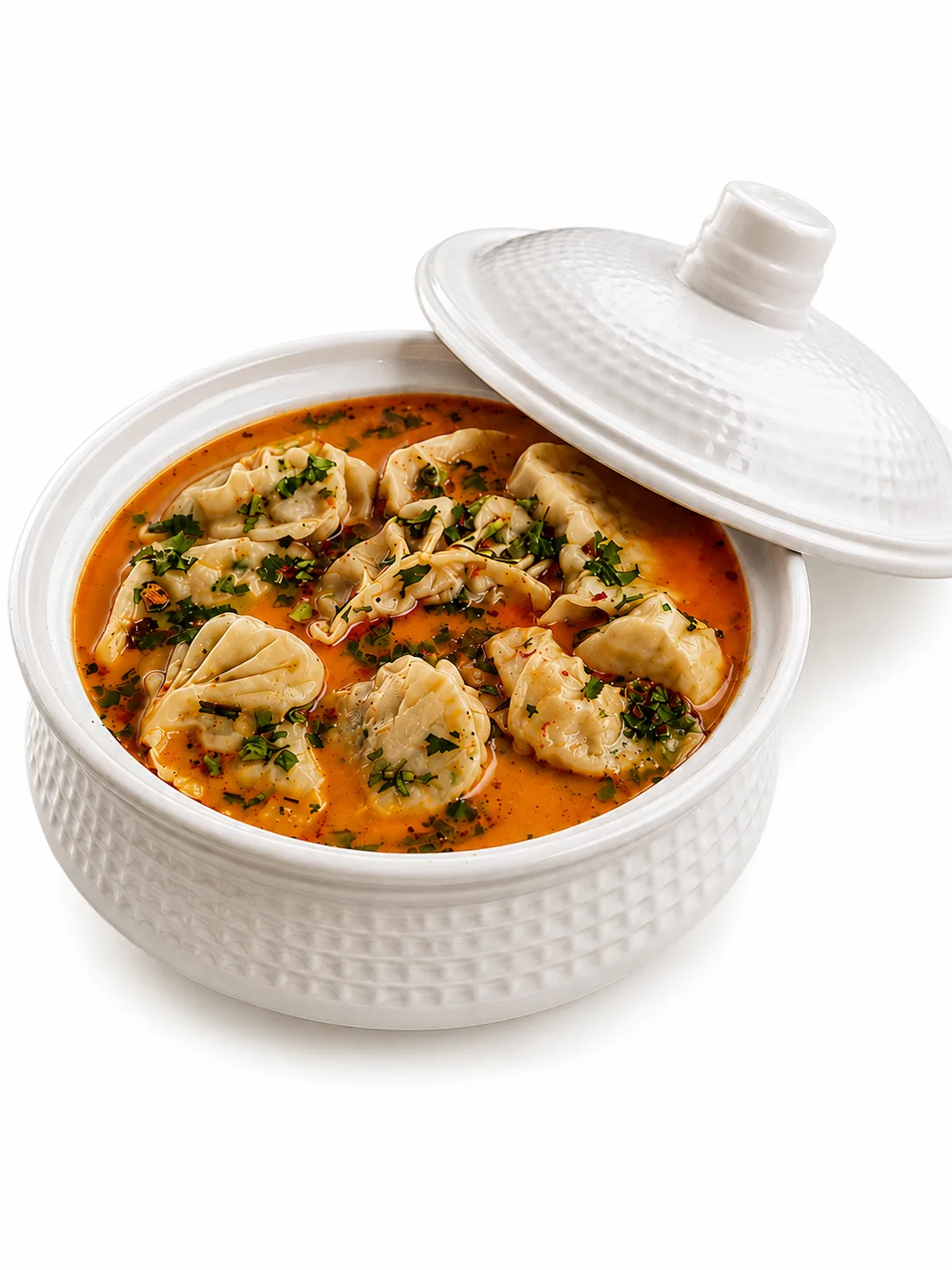
The signature. Steamed chicken momos submerged in a warm, nutty jhol of fire-roasted tomato, ground soybean, ginger and timur peppercorn. Drink what is left in the bowl.
Pork momos in the same sesame-tomato jhol — savoury and a touch sweeter than the chicken.
All of the jhol, with the vegetable dumplings. Light, refreshing, quietly addictive.
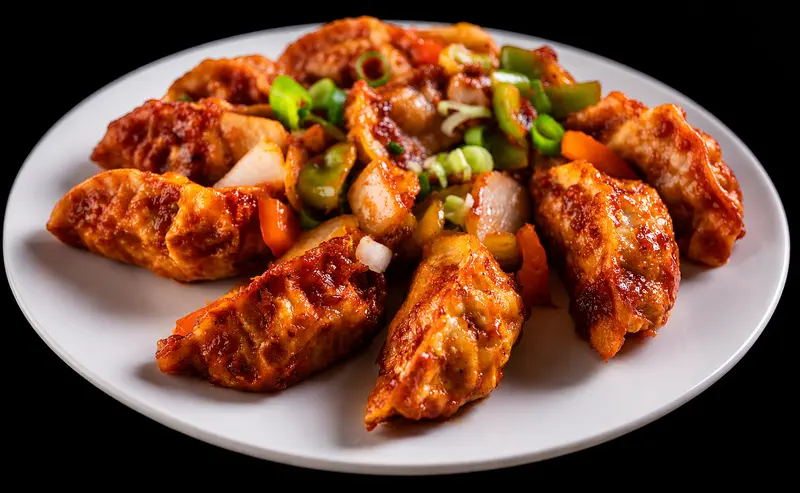
Fried chicken momos wok-tossed Indo-Chinese style with onion, capsicum, garlic and a glossy chili-soy glaze. Sweet, salty, smoky, hot.
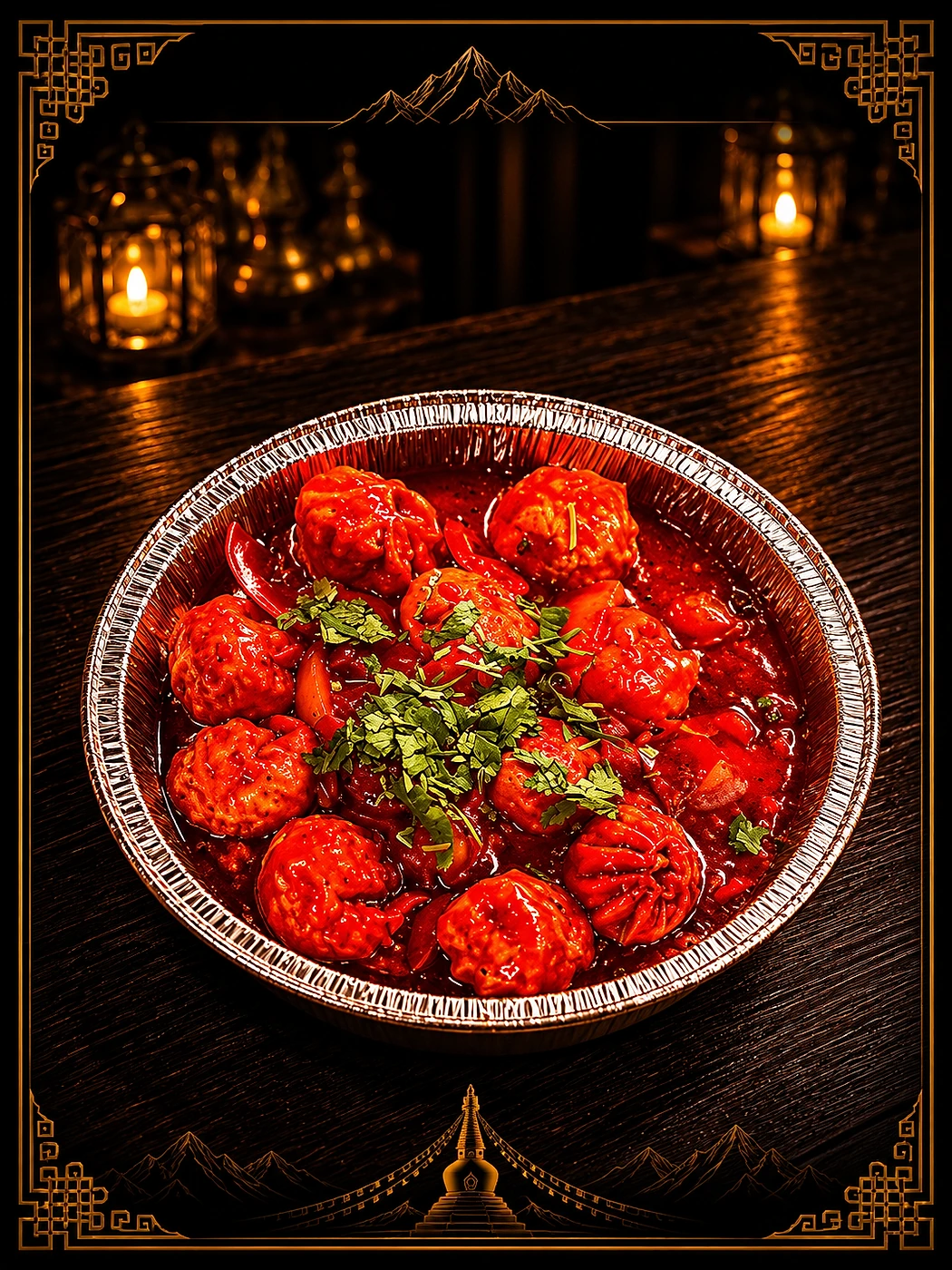
Pan-fried pork momos in the chili sauce. Richer than the chicken — pork carries the heat differently.
The Newars are the indigenous people of the Kathmandu Valley, and their food is a cuisine of its own — heavy on mustard oil, timur pepper and beaten rice, eaten in feasts rather than courses. Samay baji is the whole idea on one plate: beaten rice, choila, egg, black soybean and achar, each element meant to be taken with the others rather than in order.
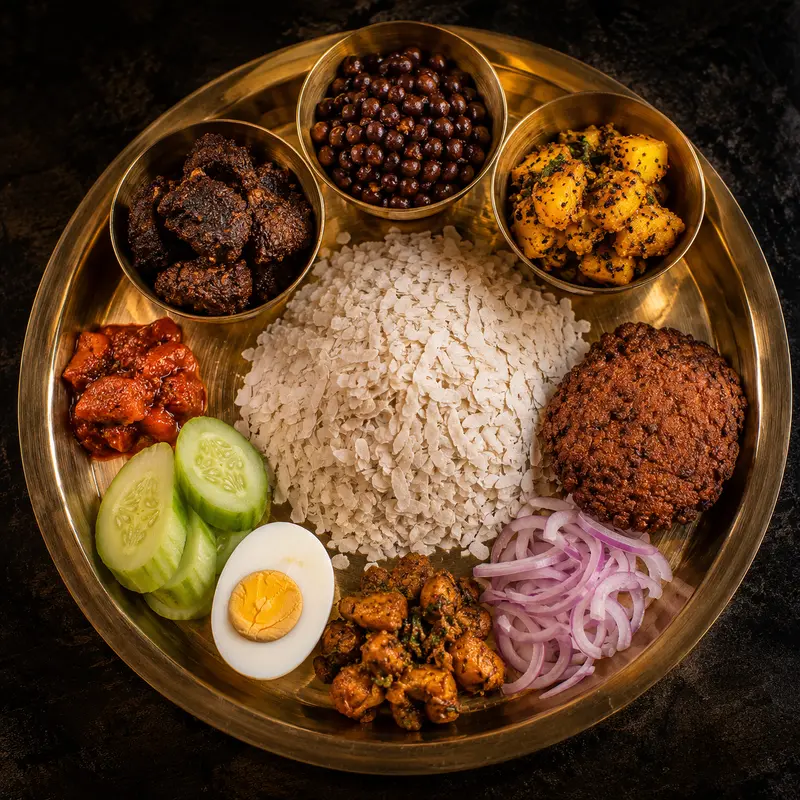
The festive Newari platter: beaten rice, choila, egg, black soybean, ginger, beans and achar. One plate that explains an entire cuisine.
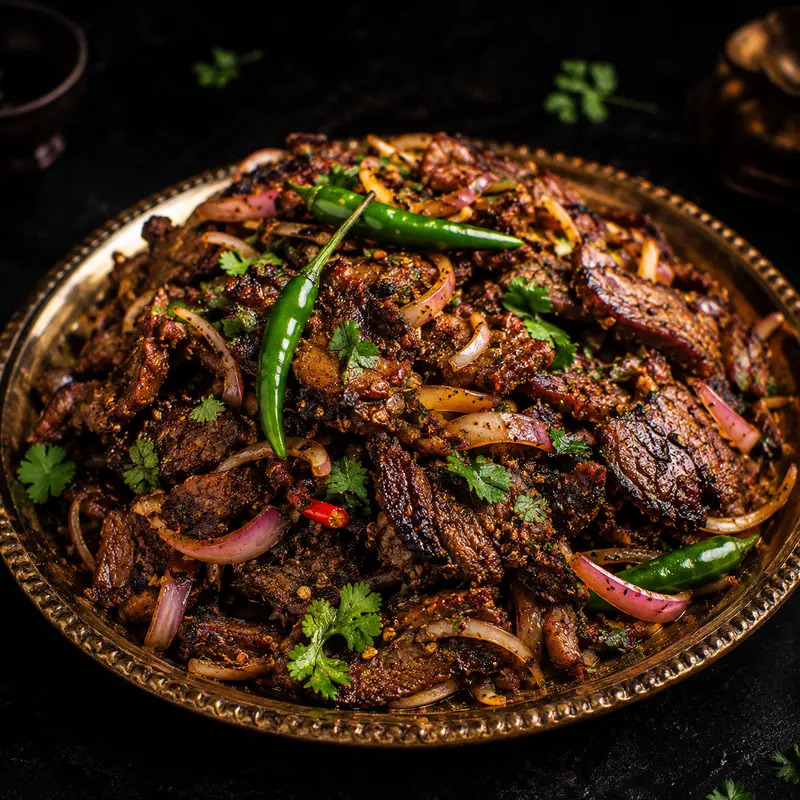
Grilled chicken tossed Newari style with mustard oil, timur, garlic, ginger and dried chili. Eaten with beaten rice.
Sekuwa is Nepali grilled meat: marinated in mustard oil, ginger, garlic and timur — the Himalayan pepper that makes your tongue buzz — then skewered and cooked over open flame until the edges char. It is roadside-stall food from Dharan to Kathmandu, eaten standing up with sliced raw onion and a wedge of lemon. This is the section the restaurant is named after; a chulo is the hearth it all comes off.
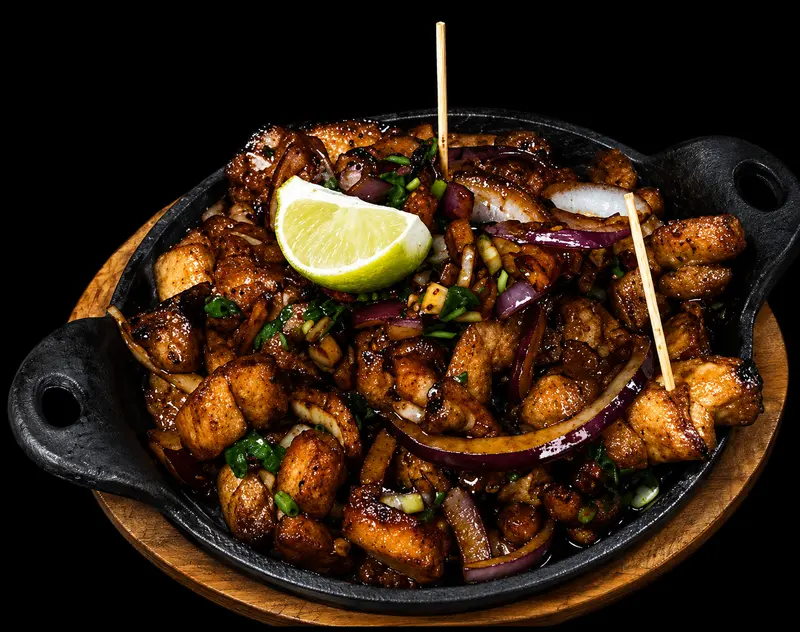
Chicken marinated in mustard oil, ginger, garlic and timur, then skewered and grilled over open flame until the edges char. Sliced onion and lemon alongside.
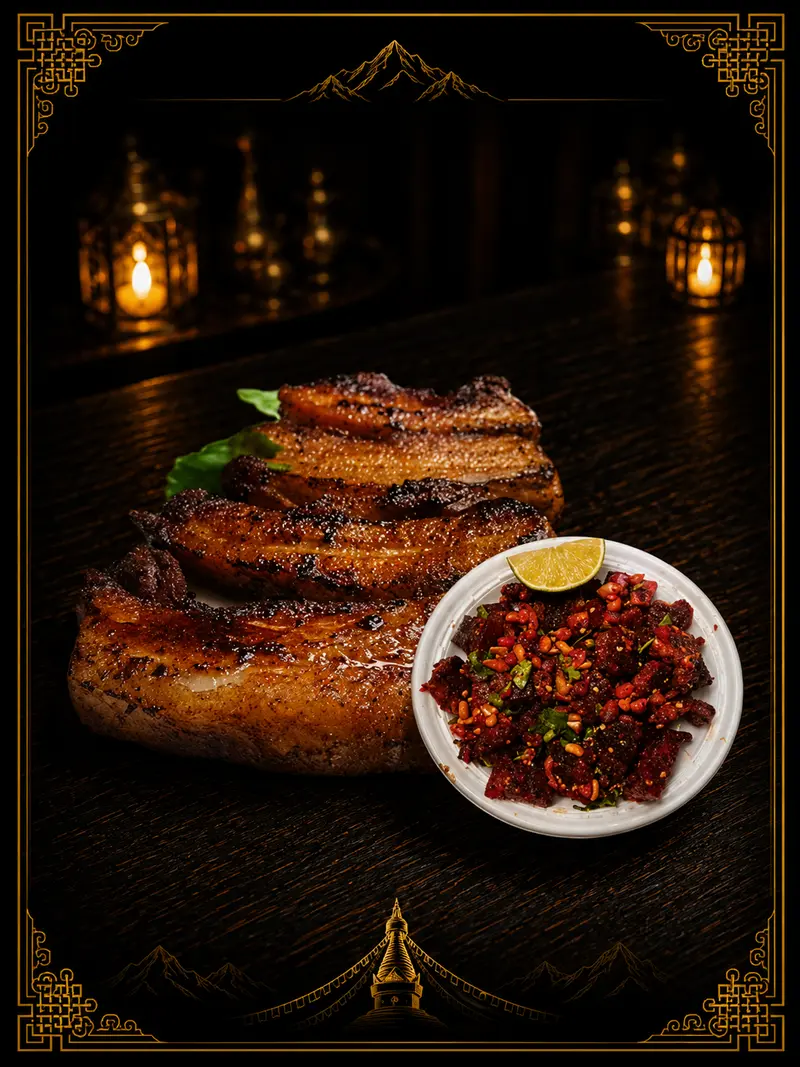
Pork belly marinated overnight, skewered and grilled slowly until the edges blacken and the fat renders. The best thing on this page.
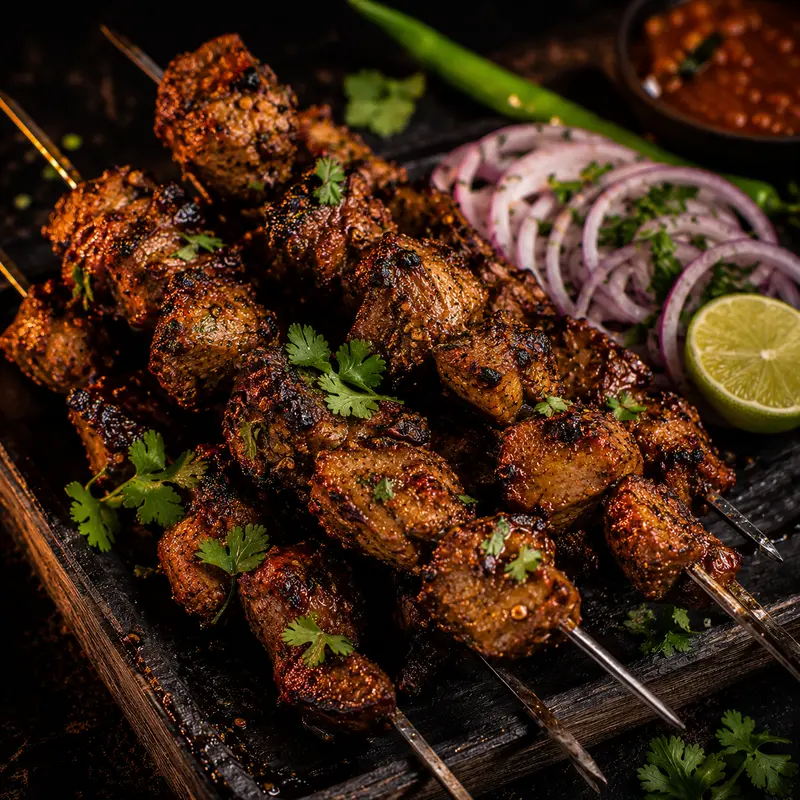
Charcoal-grilled marinated lamb skewers, sliced red onion, lemon and house chili sauce.
Street food, mostly, and meant to be shared. Pani puri and chatpate are eaten standing up on a Kathmandu pavement; samosa and pakoda come out of the fryer all afternoon; sel roti is the sweet rice ring sold at every festival and roadside tea stall in Nepal. Order three or four for the table rather than one each — that is how this half of the menu works.
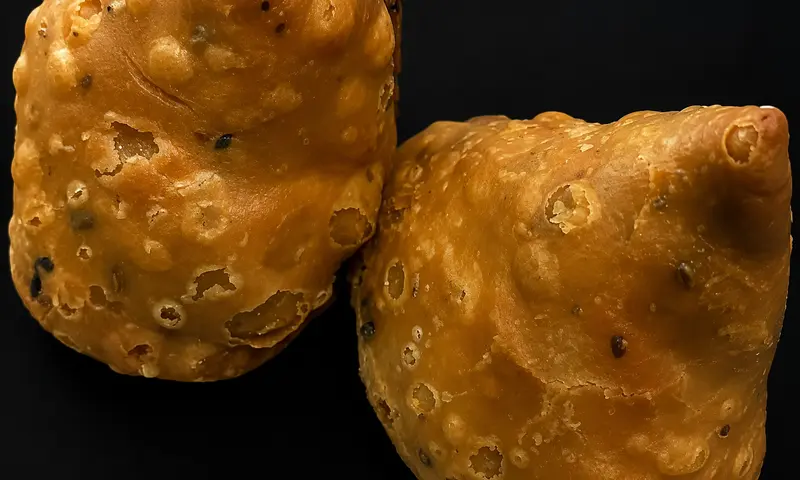
Hand-folded pastry stuffed with spiced potato, pea and cumin, fried golden. Tamarind chutney on the side.
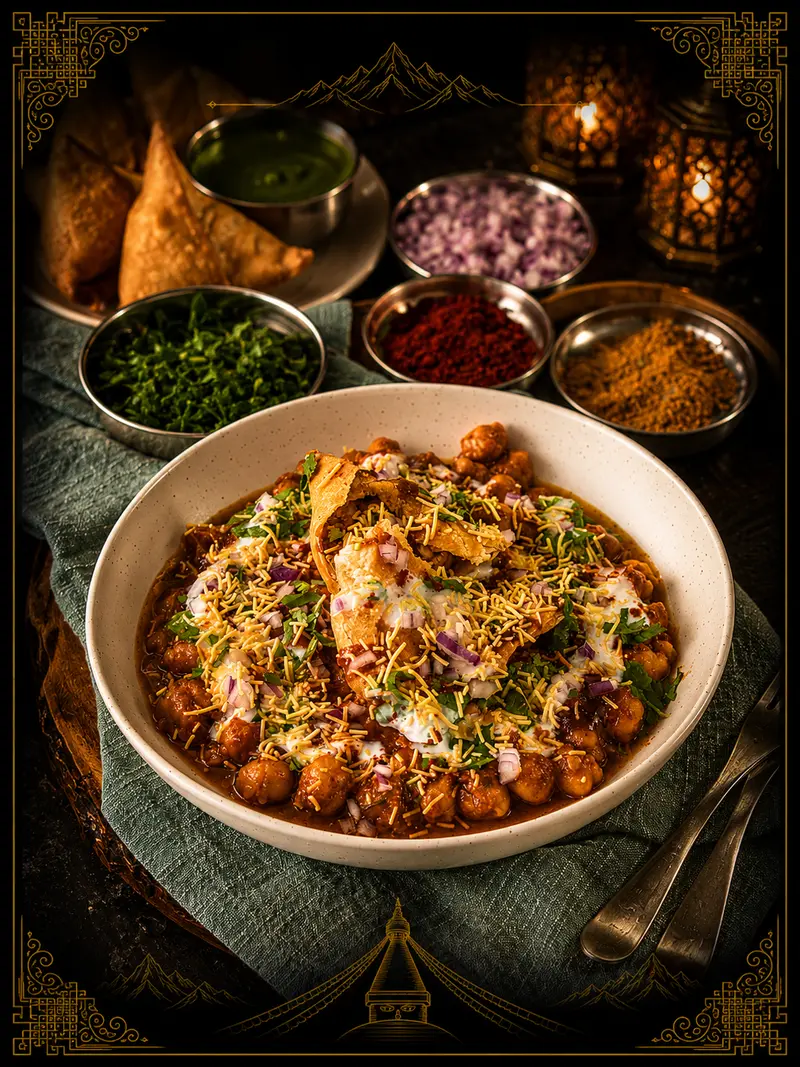
Crushed samosa layered with chickpeas, yogurt, tamarind and mint — sweet, tangy and crunchy all at once.
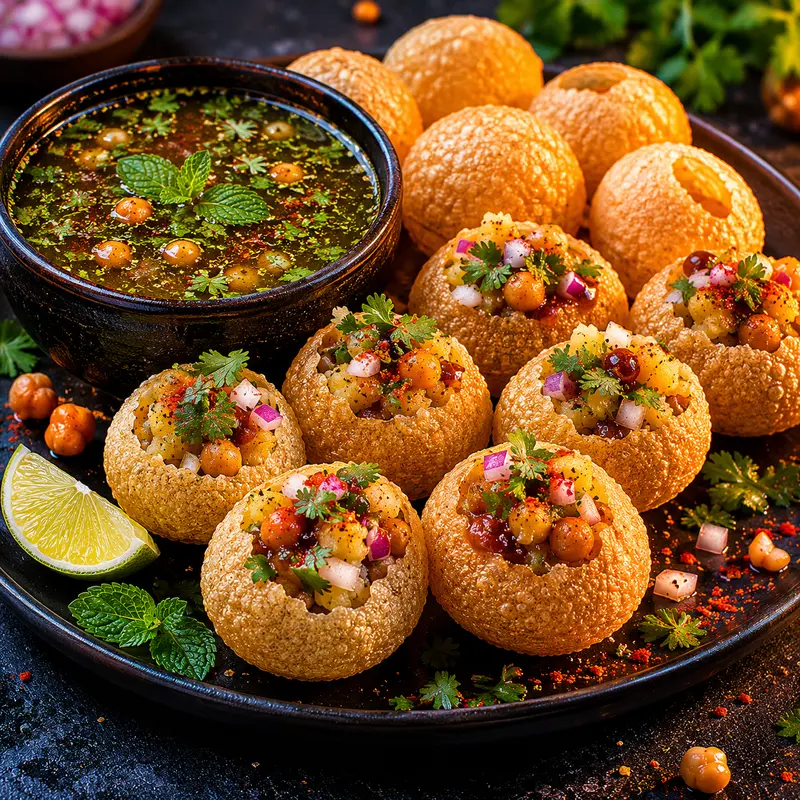
Hollow crisp puris filled with spiced tamarind water, mashed chickpea, potato and onion. Pop one whole — that is the rule.
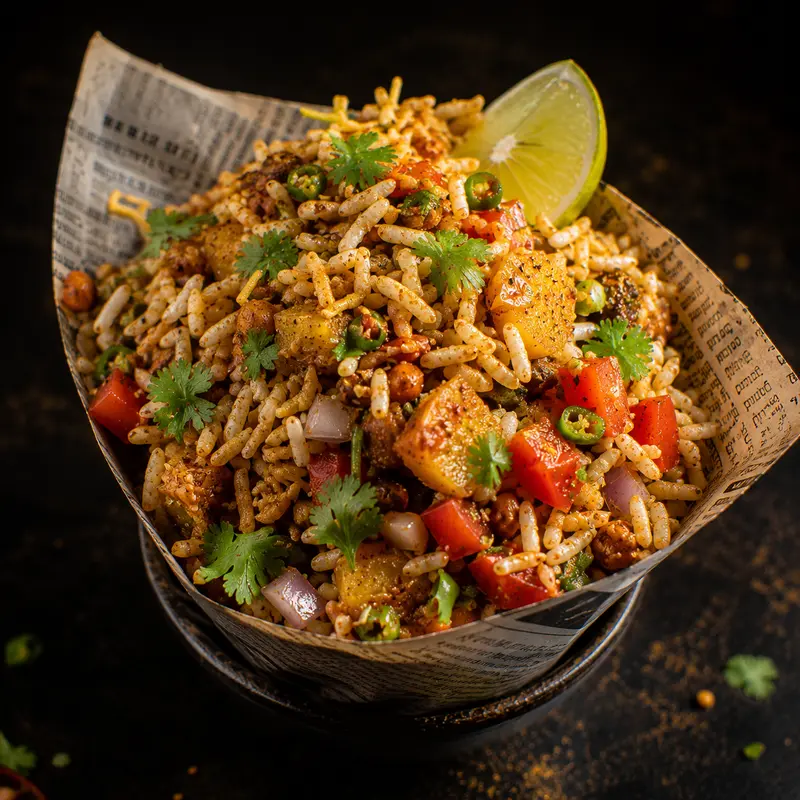
Puffed rice tossed with sev, peanut, diced potato, cilantro, lemon and tamarind. Sweet, sour, crunchy, addictive.
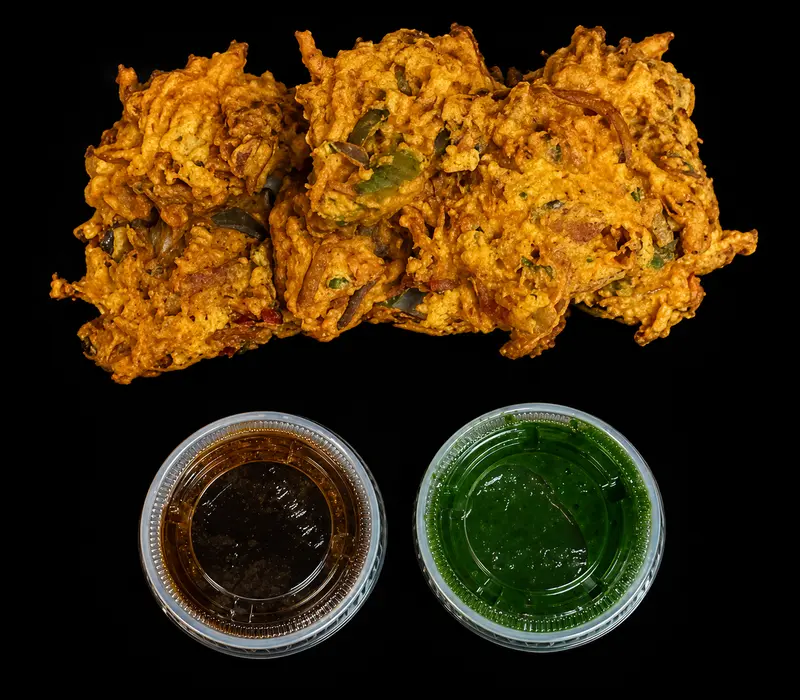
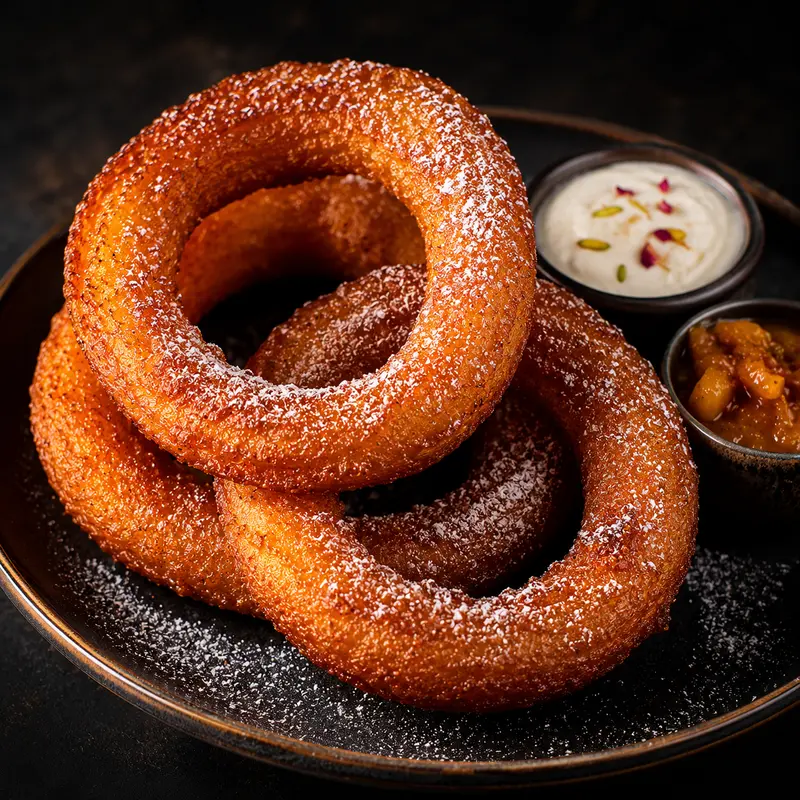
Traditional Nepali sweet rice rings, fried to order. Festival food, eaten all year.
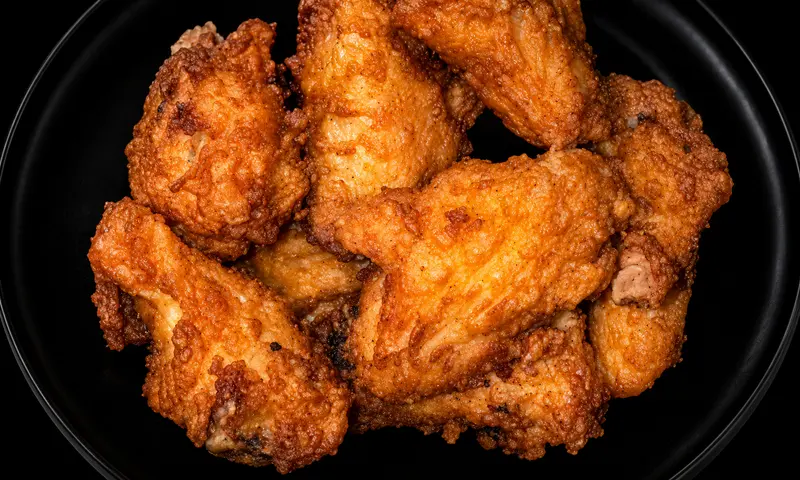
Eight chicken wings tossed in a hot sauce. Lemon and chili sauce alongside.
Thukpa is the Himalayan answer to a cold day: noodles in a broth simmered long enough that it does the work by itself. It came down from Tibet and became Nepali on the way — more ginger, more chili, more of everything. Order it when the weather turns; it is the one dish on this menu that regulars order on repeat all winter.
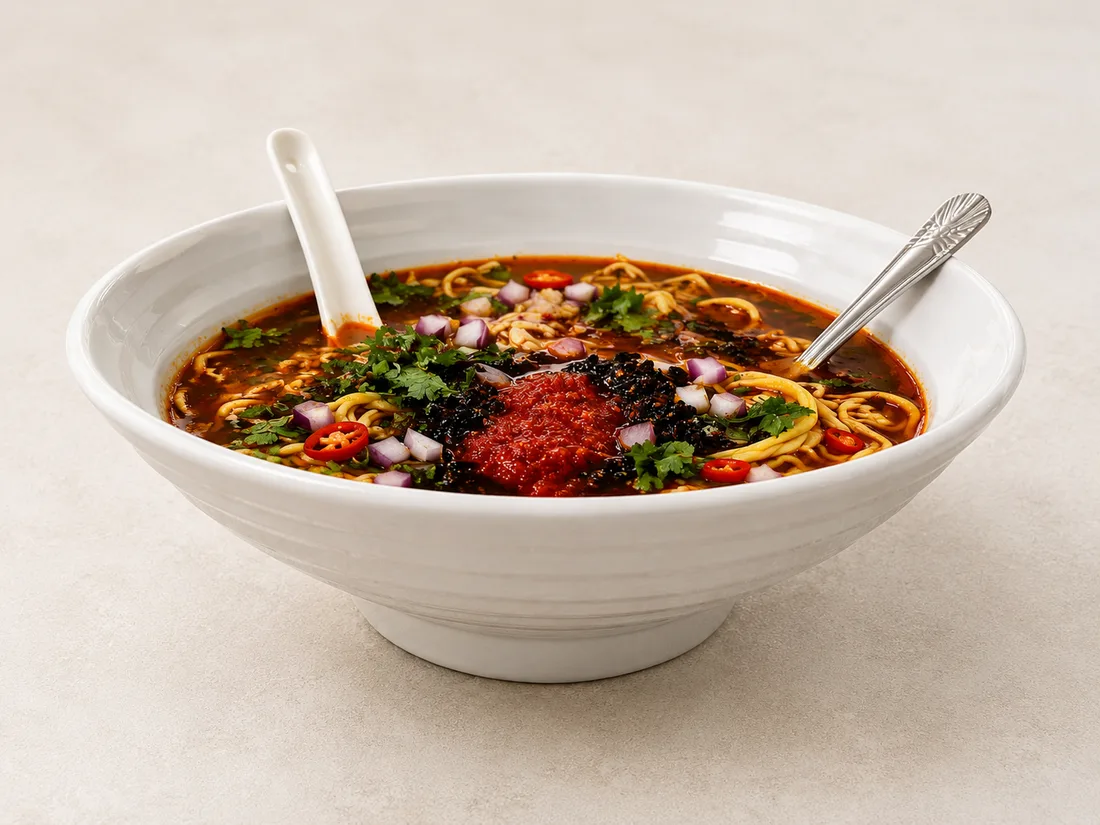
Hand-pulled noodles in a slow-simmered chicken broth with whole spices, tender chicken, cilantro and scallion. A bowl that tastes like the mountains.
Himalayan noodle soup loaded with vegetables in a warming ginger-garlic broth.
Pork bone broth simmered for hours with star anise and ginger, hand-pulled noodles, tender pork, fresh greens.
Chow mein arrived in Nepal by way of Tibet and China and became genuinely Nepali on the way — wok-tossed hot and fast, with more spice than you would expect and never any grease. Keema noodles are the street-cart version: minced pork cooked down with onion, tomato and ginger, then folded through the noodles so every strand carries it.
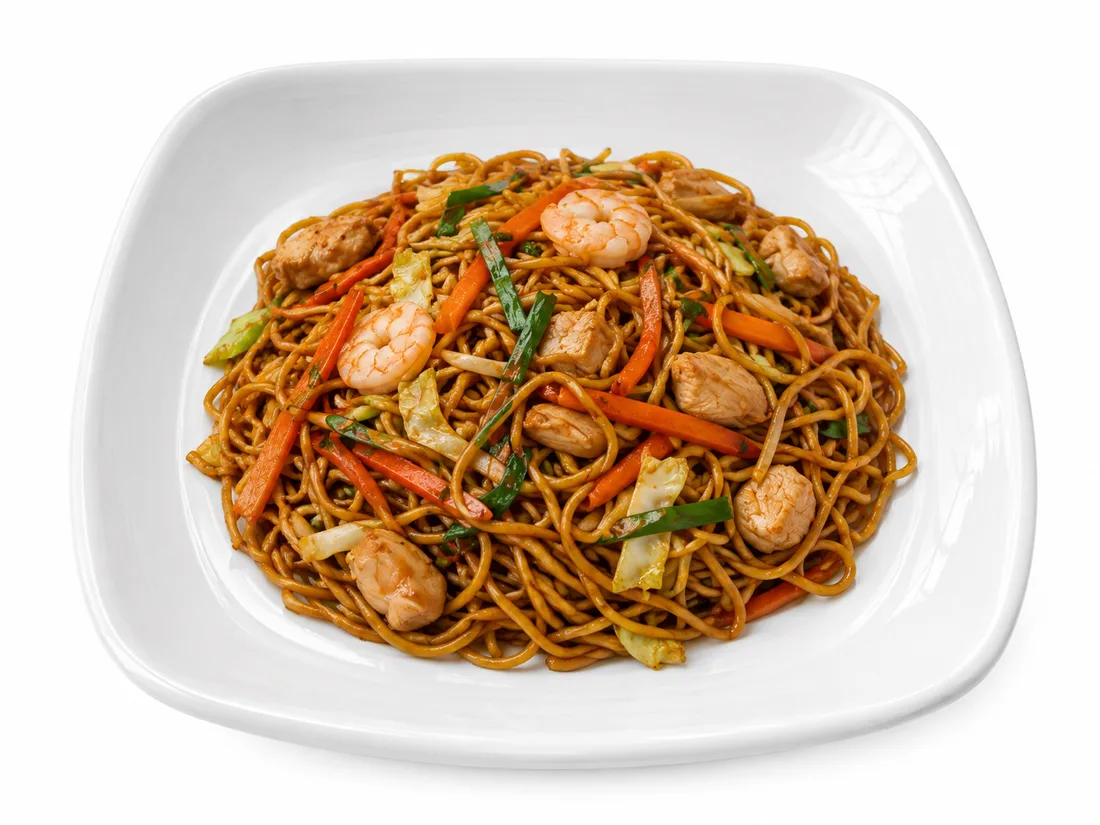
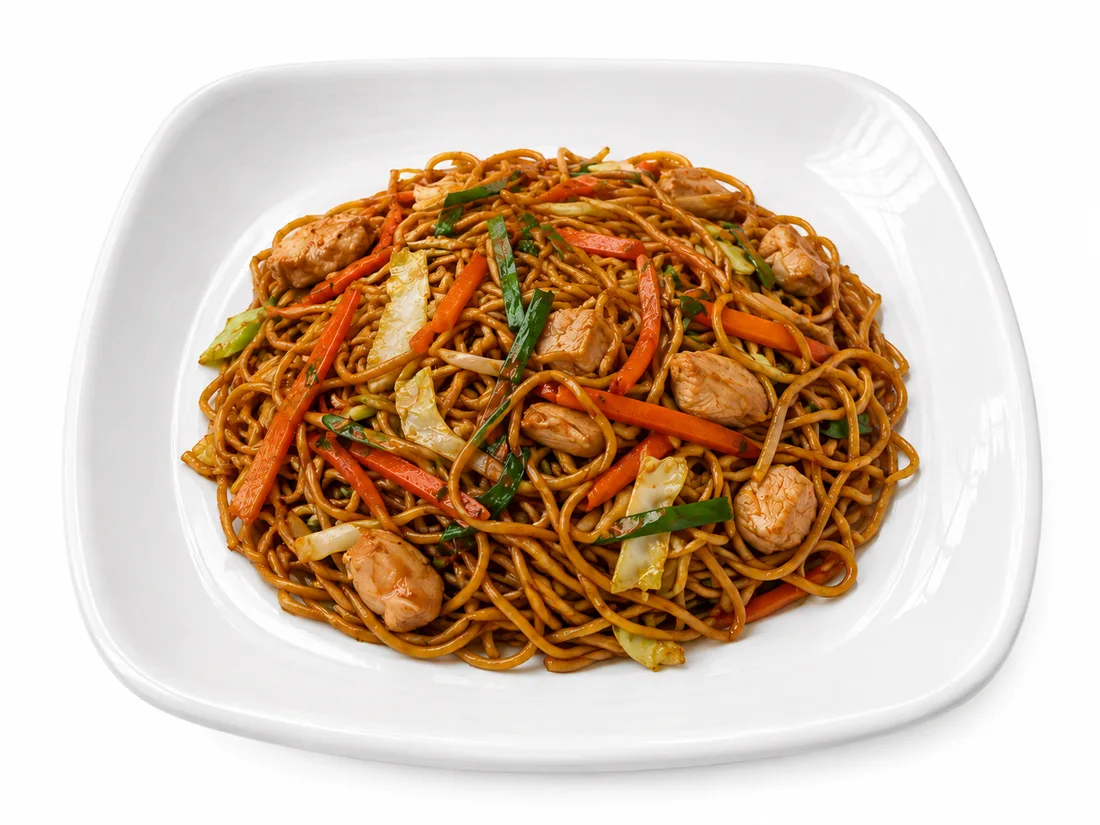
Wok-fired Nepali street noodles with marinated chicken, cabbage, carrot, pepper and scallion. Smoky from the wok, never greasy.
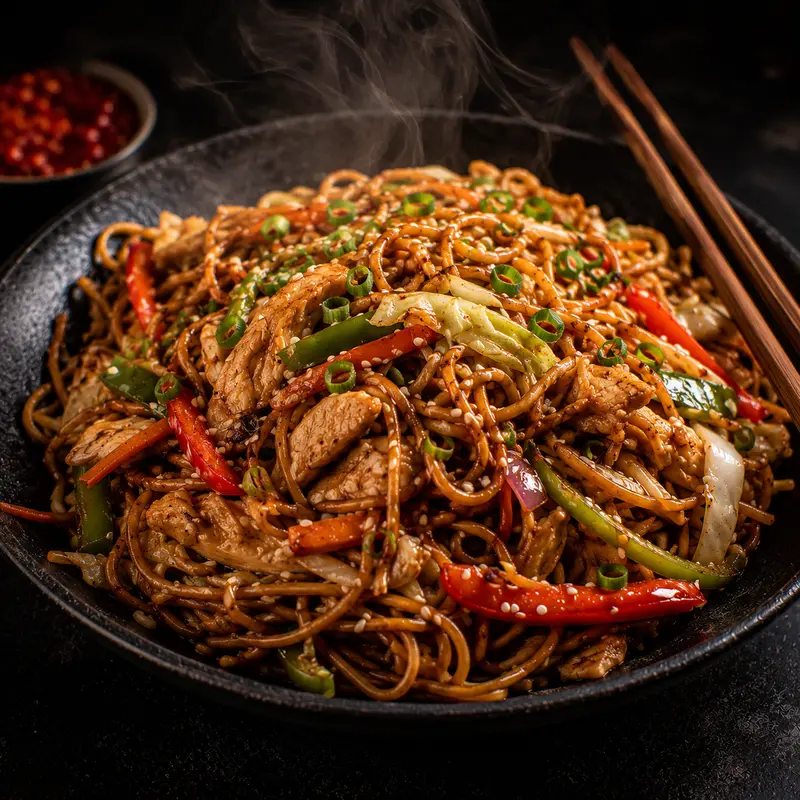
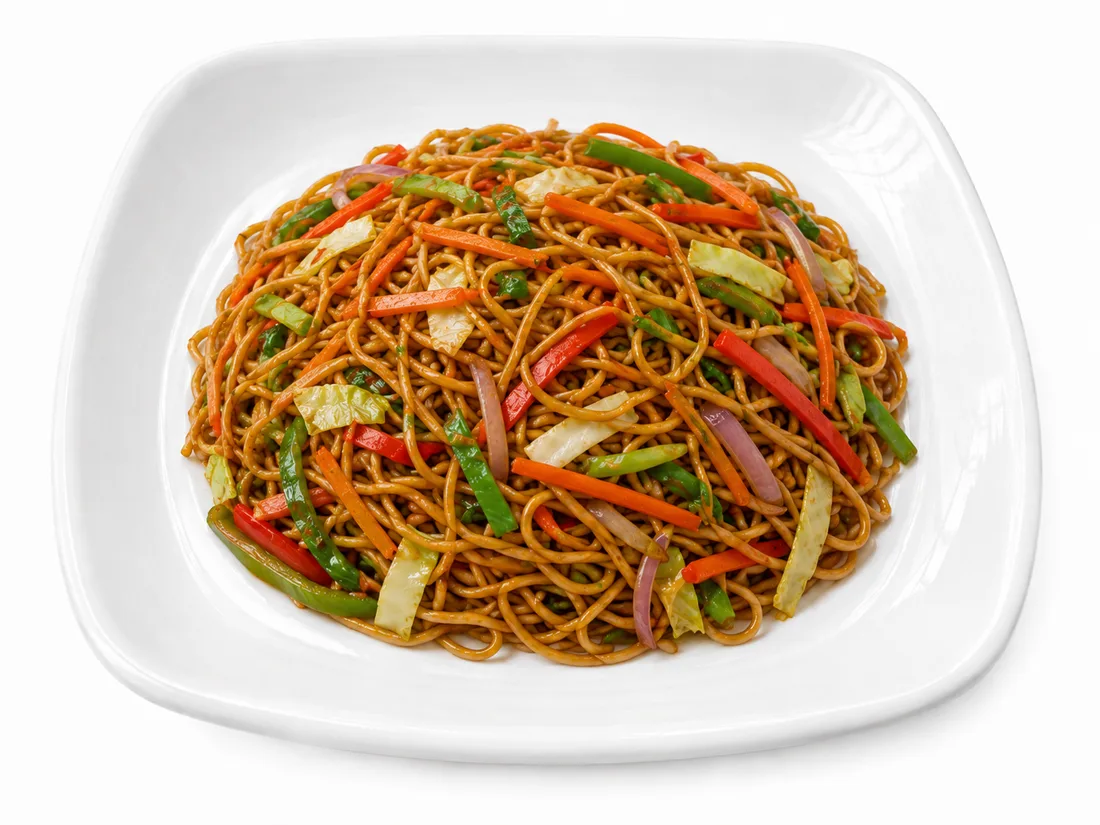
Cabbage, carrot, scallion, pepper and garlic tossed with the noodles in a sizzling wok.
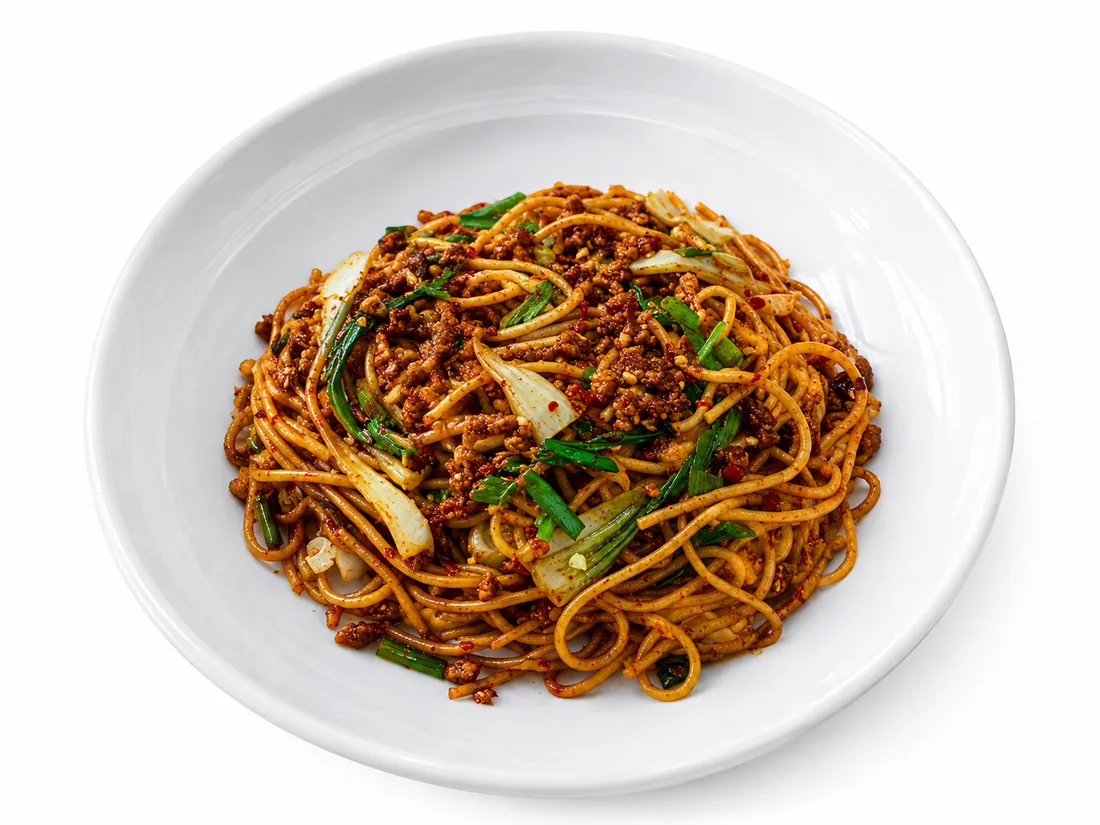
Minced pork wok-fired with onion, garlic, ginger, tomato and spice, then tossed through hand-pulled noodles. Street-cart comfort food.
Wok-fired basmati, cooked hot so the grains stay separate and pick up smoke from the pan. If you want the plain version, steamed rice comes with a bowl of daal and the house achar set — which is how rice is actually eaten in Nepal, never on its own.
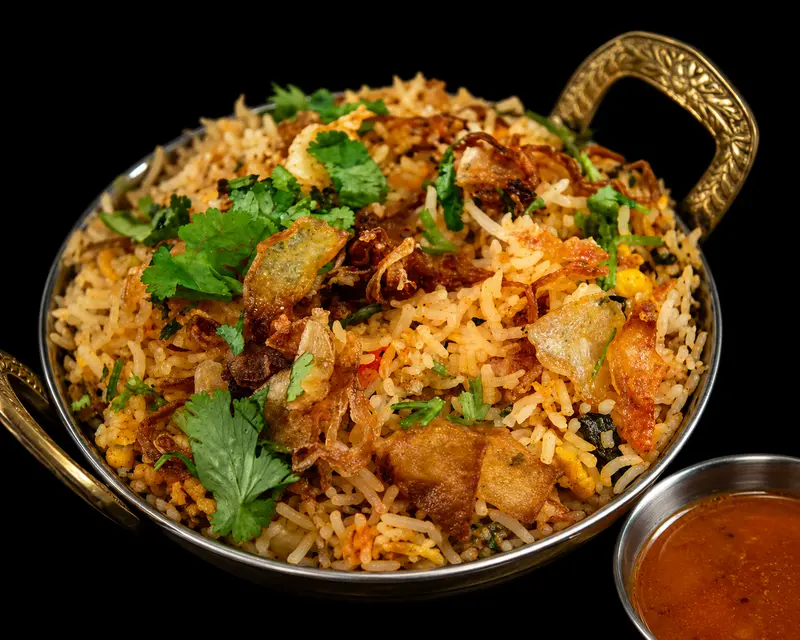
Basmati wok-fired with marinated chicken thigh, egg, scallion, garlic and fresh ginger.
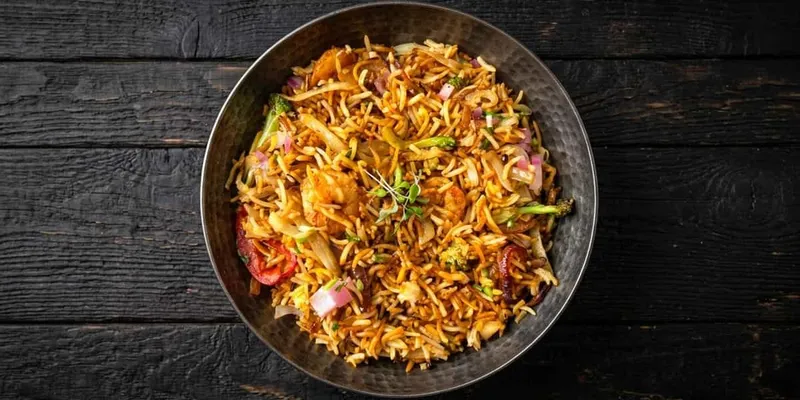
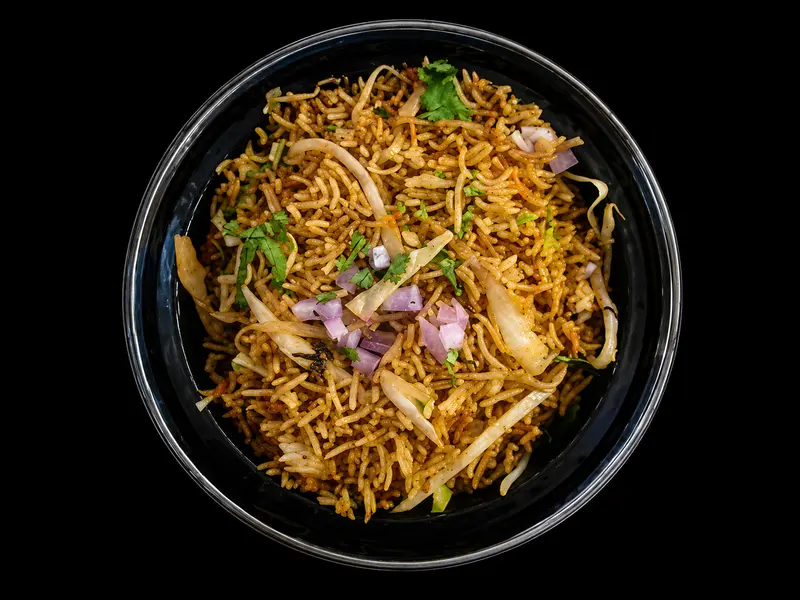
Cabbage, carrot, pepper, scallion and garlic with light soy. Fresh and clean.
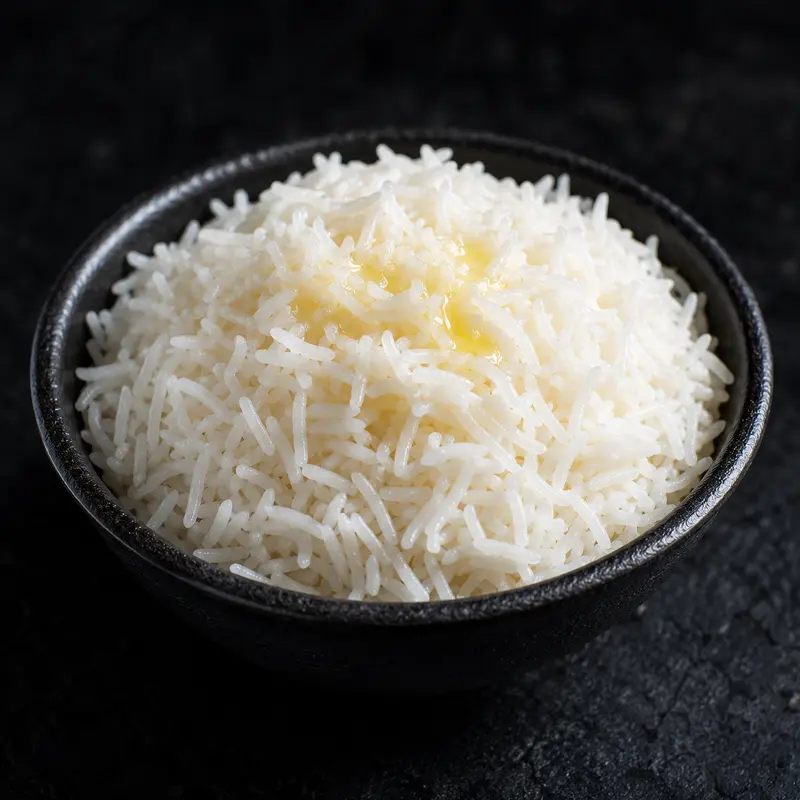
Steamed long-grain basmati with a bowl of slow-simmered Himalayan daal tempered in ghee, garlic and cumin. Achar set included.
Long-grain basmati layered with marinated meat, saffron, fried onion and whole spice, then finished under a sealed lid so the rice steams in the aromatics instead of boiling in them. Open the lid early and you have lost it — which is why every biryani here is made to order. Three proteins: goat, chicken or vegetable. Achar set and raita come with all of them.
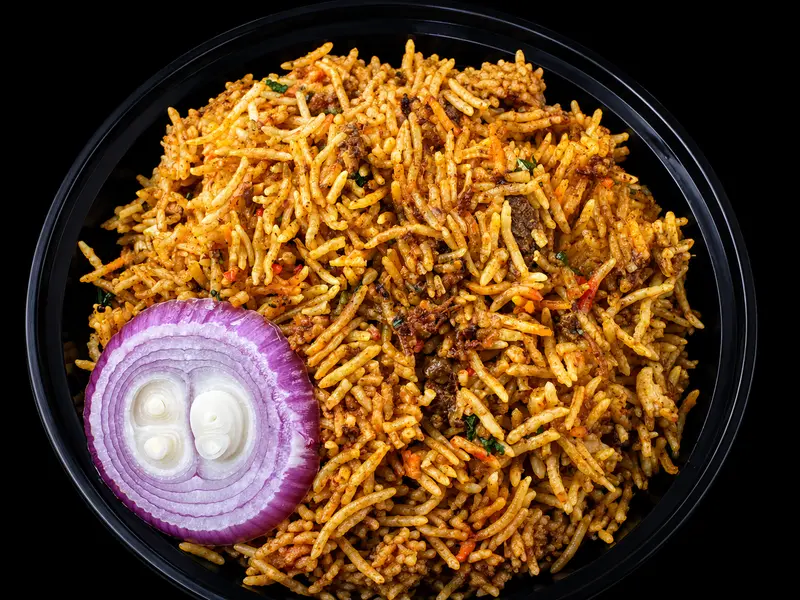
Bone-in goat layered with saffron basmati, caramelised onion and whole spice, then finished under a sealed lid. Served with achar set and raita.
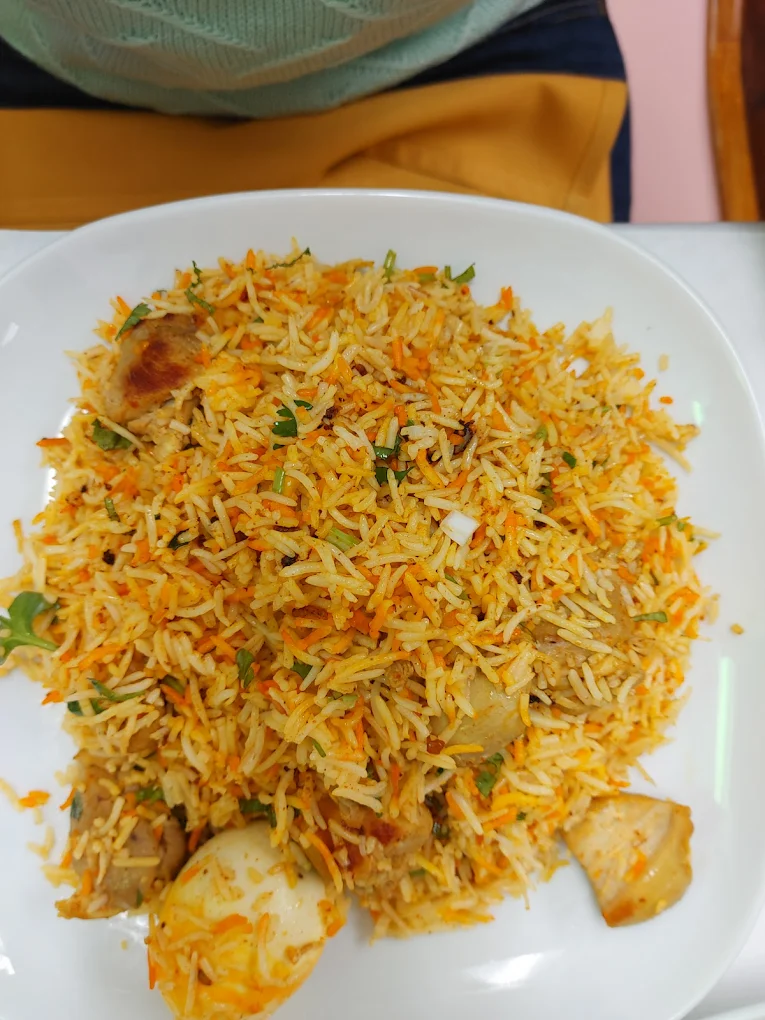
Basmati slow-cooked with marinated chicken, saffron, fried onion and whole spices. Served with achar set and raita.
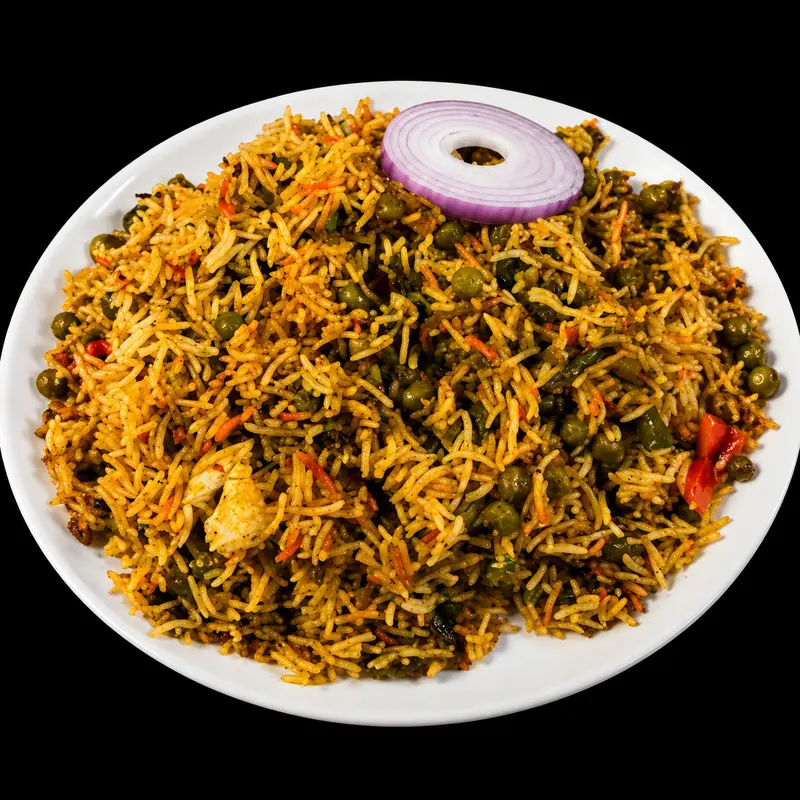
Seasonal vegetables and paneer cooked with saffron basmati and whole spices. Served with achar set and raita.
Dal bhat is not a dish, it is the day. Rice and lentils with a curry, a vegetable, a pickle and a papad — eaten twice daily across the whole country. Order it and you are eating what Nepal actually eats, not what it puts on a menu for visitors. Six thali to choose from, including sukuti: sun-dried buffalo, smoky and chewy, the one to order if you already know the cuisine.
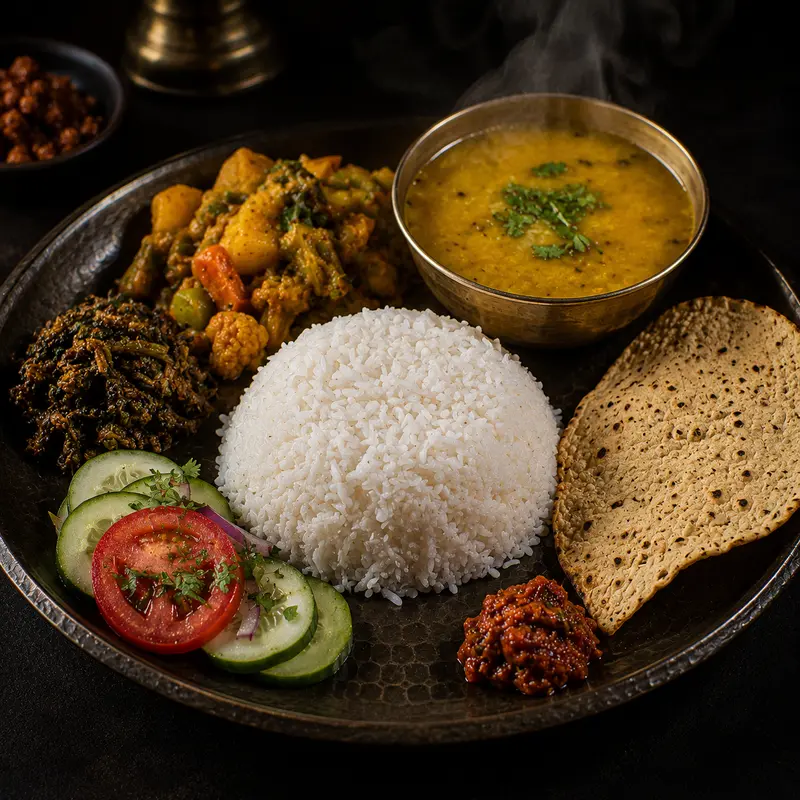
The everyday plate of Nepal: rice, lentil soup, vegetable curry, greens, achar and papad. Rice and dal are refilled.
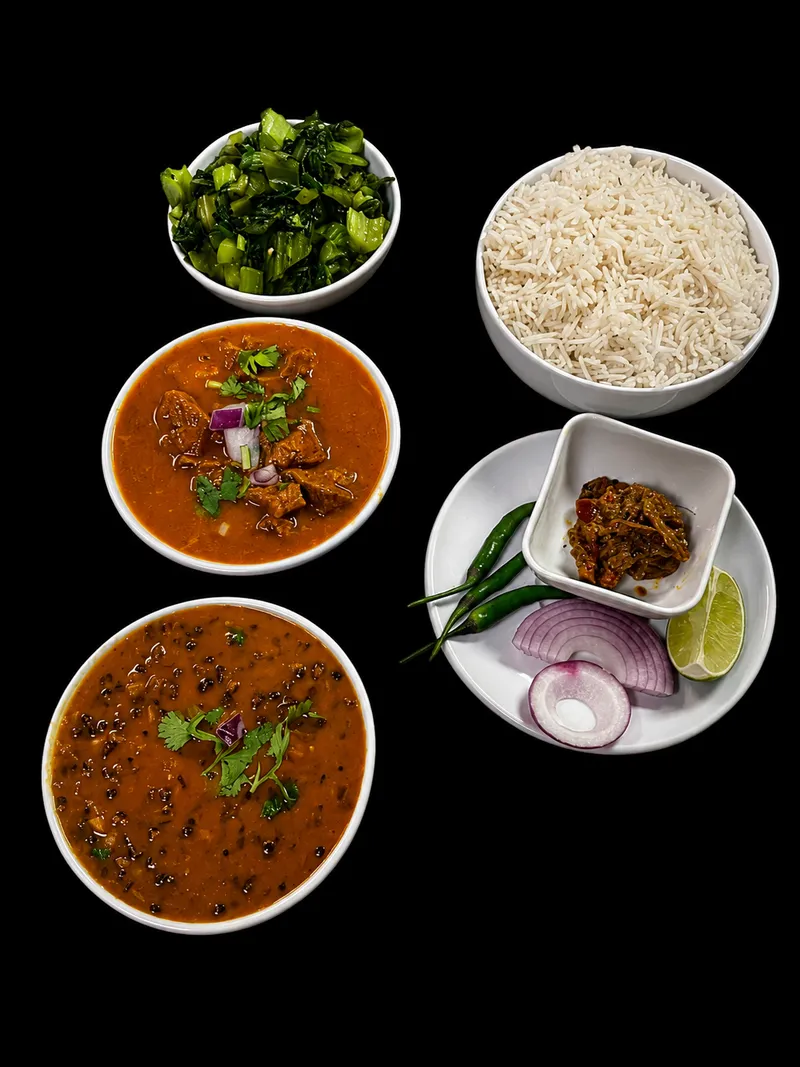
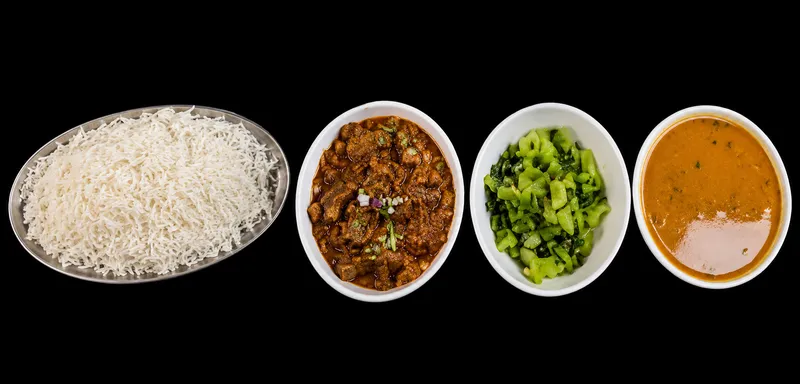
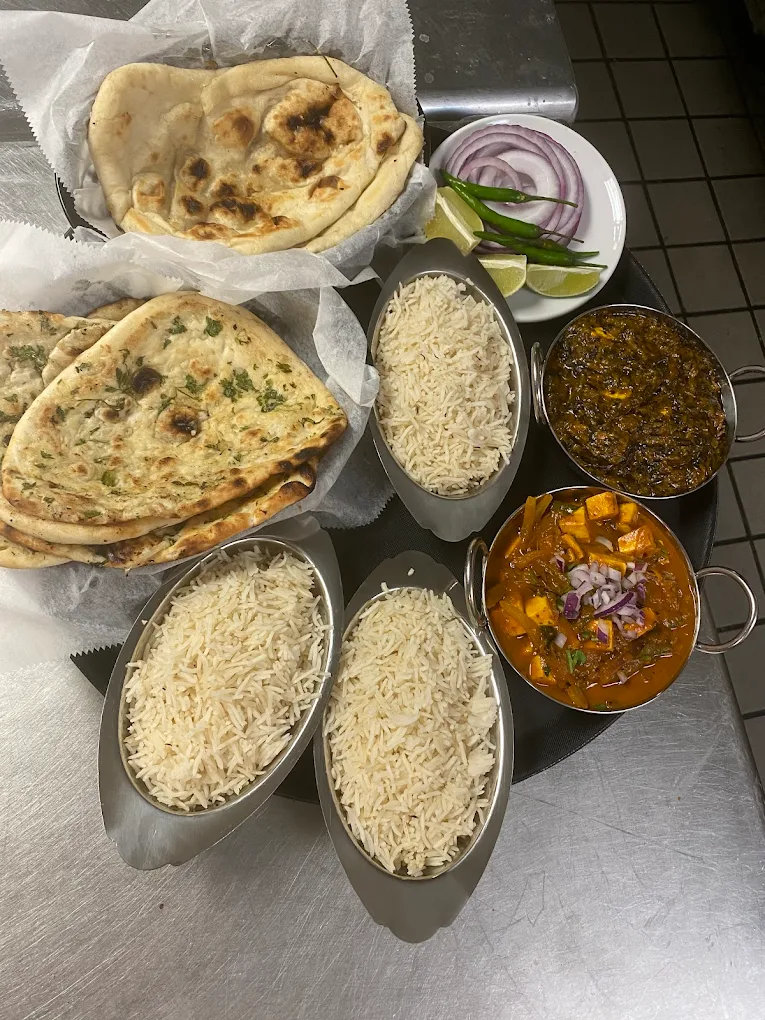
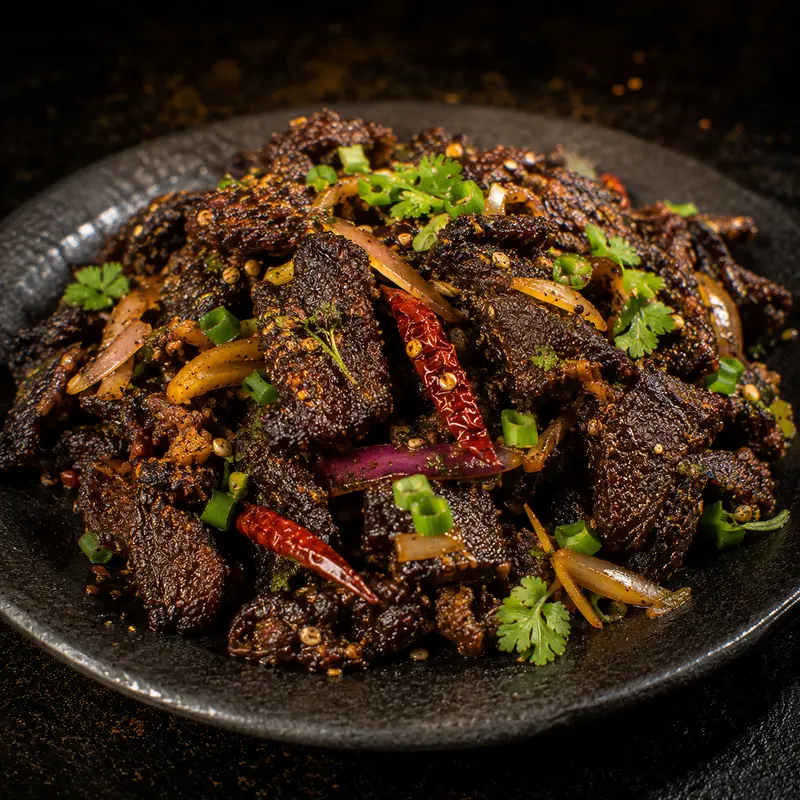
Rice, daal, sukuti — sun-dried buffalo tossed with onion, garlic and dried chili — vegetable, achar set and papad. Smoky and intense.
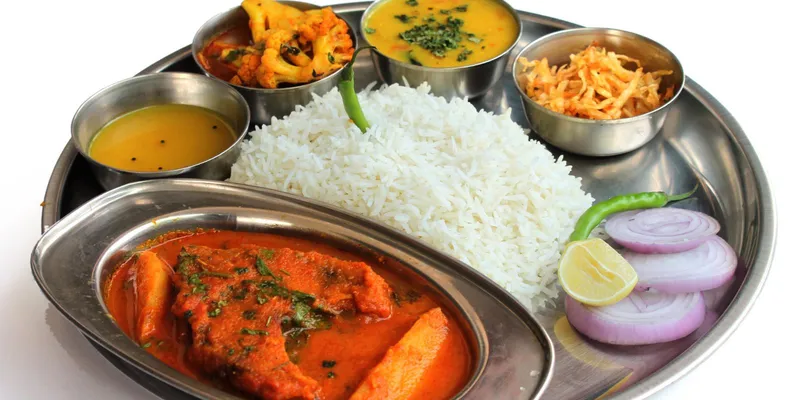
Cooked the Nepali way — mustard oil, ginger, garlic and timur rather than cream and cashew, so these taste sharper and lighter than the Indian-style curries most people expect. Goat is khasi ko masu, cooked bone-in and slow, because the bone is where the flavour lives; expect to work at it a little. Every entrée comes with rice, daal and the house achar set.
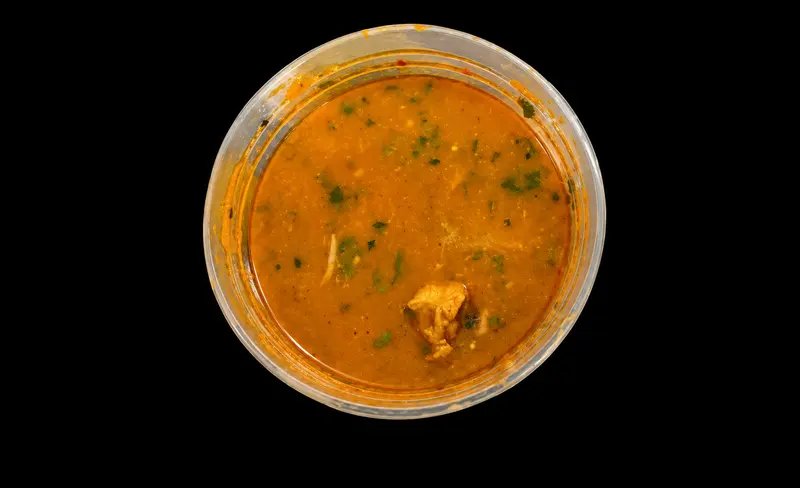
Nepali-style home cooking — chicken simmered with onion, tomato, ginger, garlic and mountain spice. Served with rice, daal and achar set.
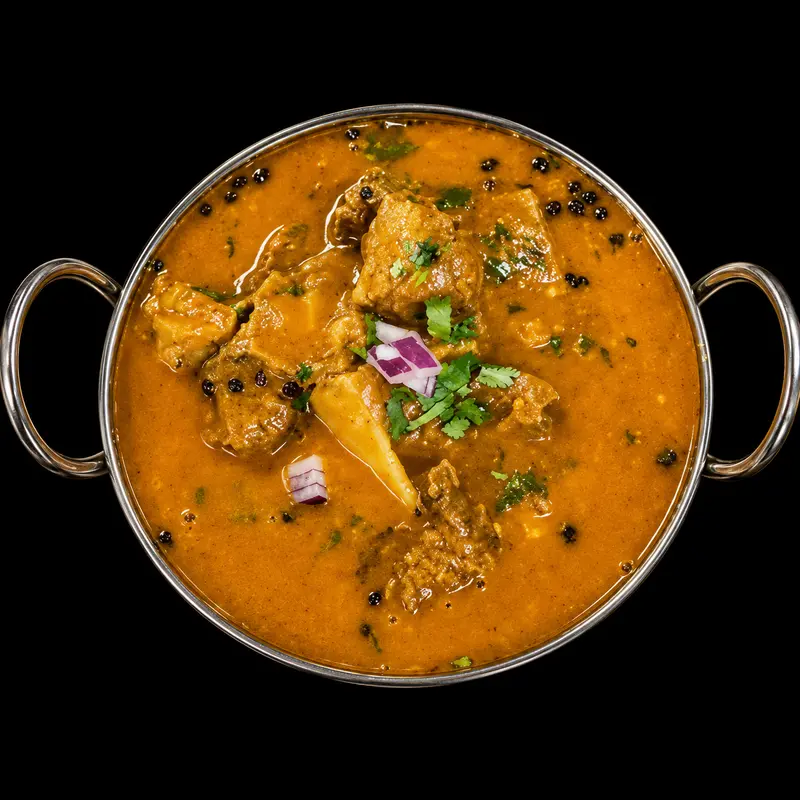
Khasi ko masu — bone-in goat cooked low and slow with mustard oil, timur and Himalayan spice rather than cream. Served with rice, daal and achar set.
Nepali-style pork, browned hard then simmered with onion, tomato, ginger, garlic and timur until it falls apart. Served with rice, daal and achar set.
Shrimp in a rich gravy of onion, tomato, ginger, garlic and house spice. Served with rice, daal and achar set.
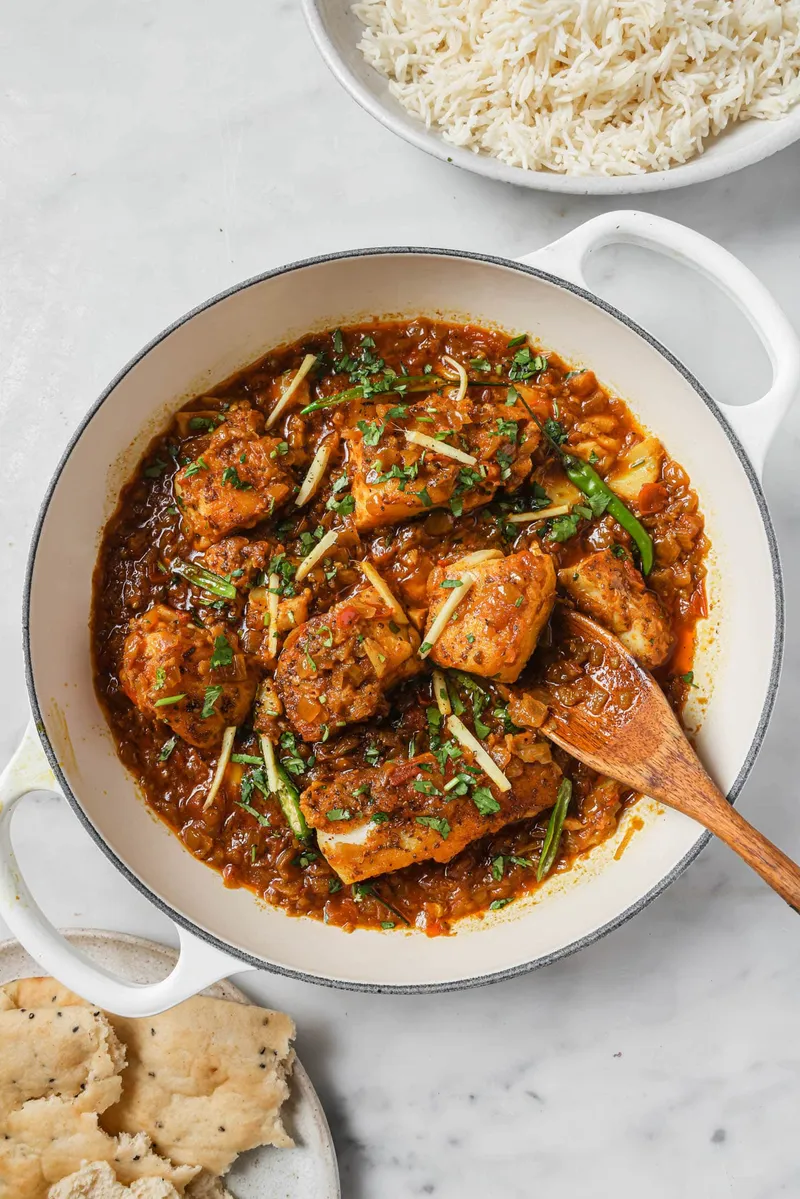
Boneless salmon cooked in onion-tomato sauce with ginger, garlic and house spice. Served with rice, daal and achar set.
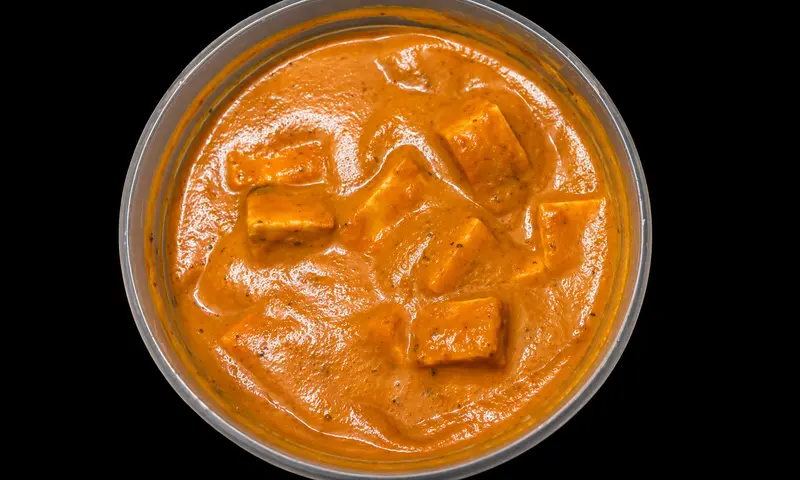
Paneer in a velvety tomato-butter-cream makhani sauce. Served with rice, daal and achar set.
Lassi is the traditional pairing for a hot curry — a yogurt drink that cools the palate far better than water does, which is exactly why it is served with spicy food. Chiya is Nepali tea: black tea simmered with milk, and in the masala version with ginger, cardamom, clove and pepper. The leaf comes from Ilam, in the eastern hills, which grows some of the best tea in the world and gets almost none of the credit.
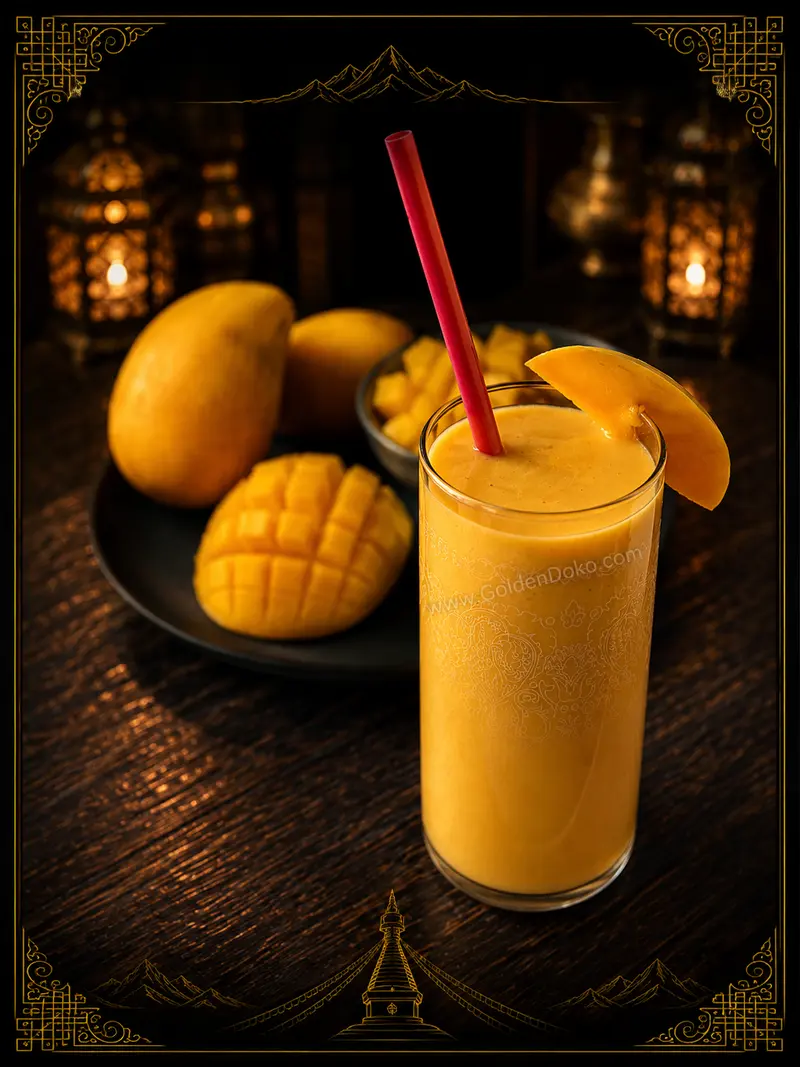
Thick yogurt blended with mango pulp and cardamom. The right partner for a hot curry.
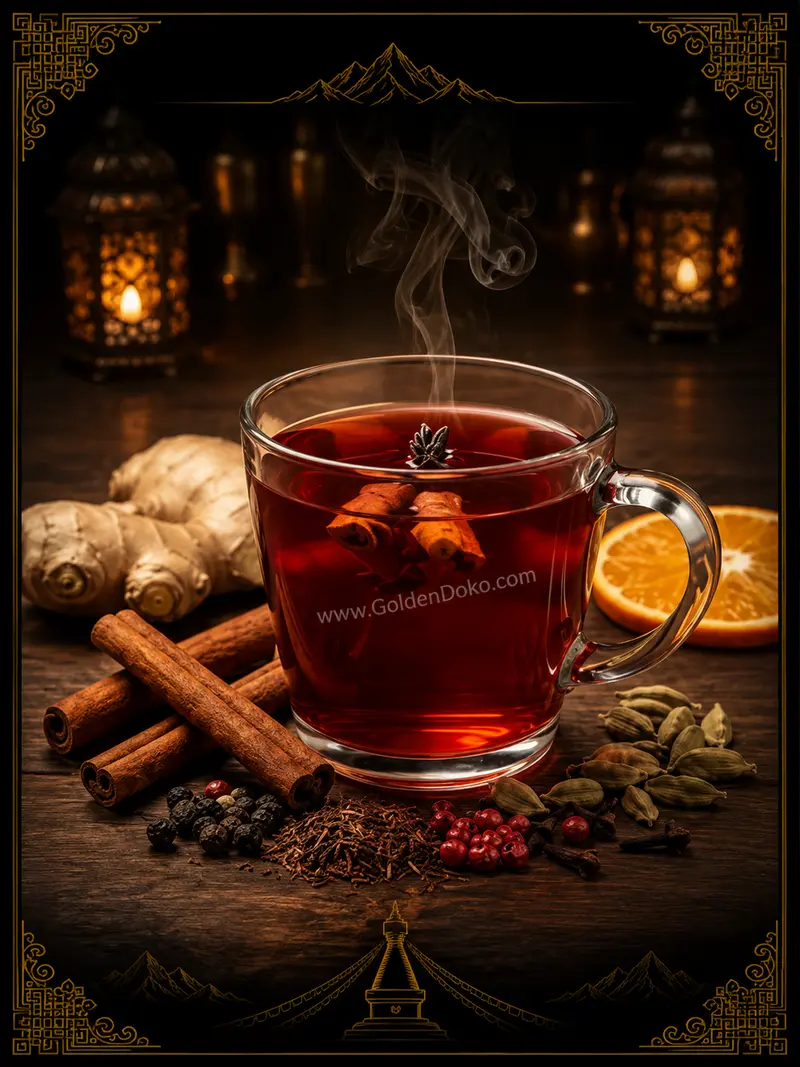
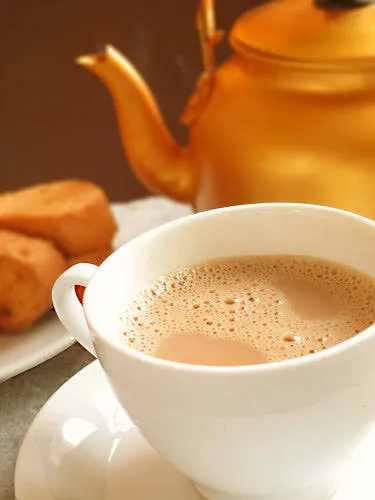
Black tea from the hills of Ilam brewed with ginger, cardamom, clove and pepper.